832 Flights Die Over 24 Nights at Charleroi. If Your Night Desk Is Unstaffed, That One's on You.
Most hotels around Charleroi are going to treat tonight as one bad evening. It's twenty-four of them in a row, and every single one lands after your night desk has gone home.
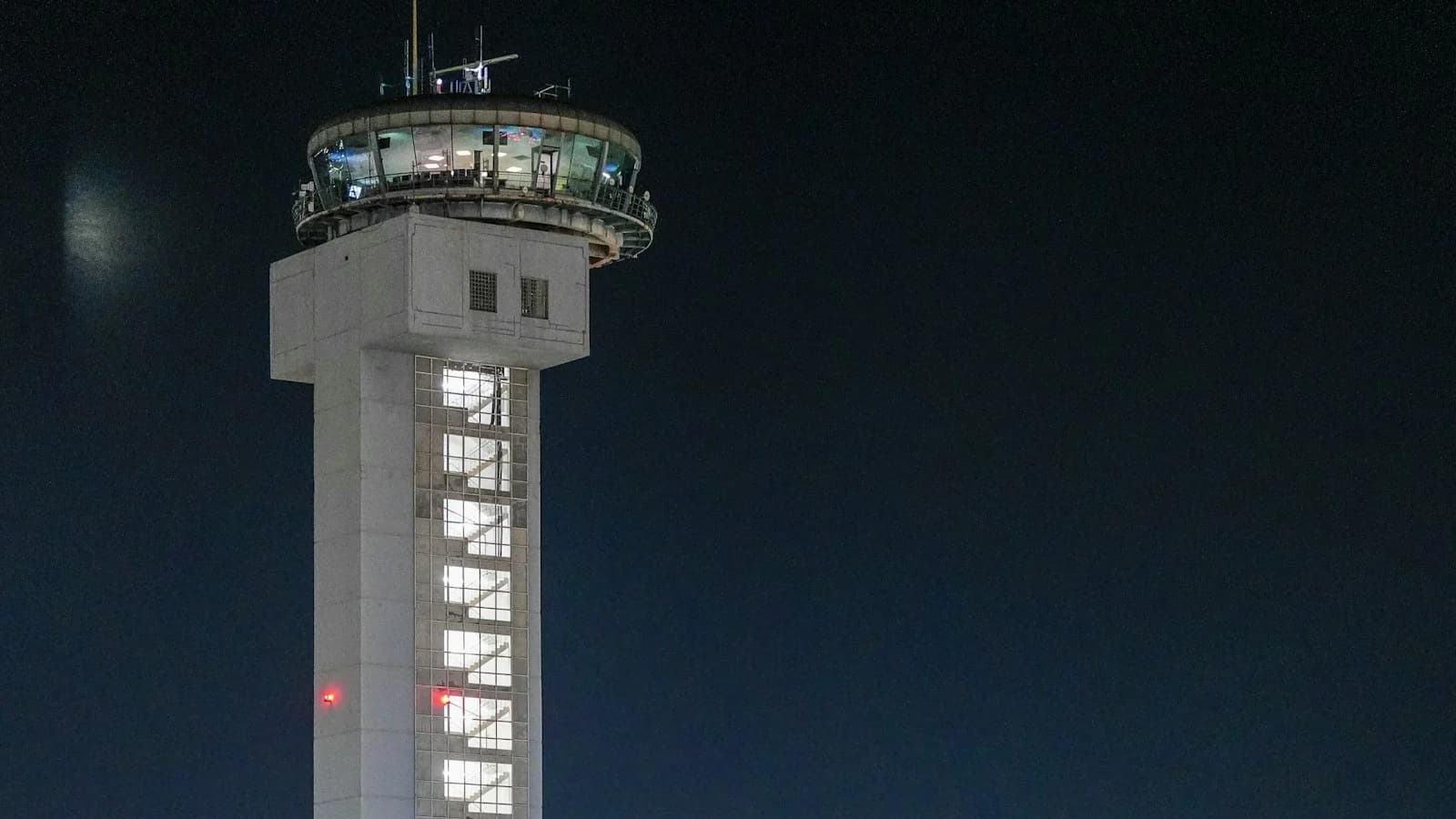
Skeyes air traffic controllers at Brussels South Charleroi stop working at 22:00 tonight. They start again at 08:00. Then they do it again tomorrow night, and the night after that, through to the morning of 10 October. Anadolu puts the damage at 832 flights and up to 300,000 passengers. Skeyes management, not the union, called it "very significant consequences." When the employer is the one warning you about scale, believe the employer.
What the fight is actually about
Night allowances. The controllers want theirs raised to 160% of the current level. Skeyes says the allowance already clears €1,000 a shift and refuses, on the grounds that Charleroi is officially closed at night, so what exactly are they being paid to do.
The VSOA union's answer to that is the interesting bit for anyone running rooms. Charleroi has an agreement with Ryanair letting based aircraft come home after the airport officially shuts. One of them landed at 05:20 last week. So the airport is "closed" in the way your bar is closed when there are still four people in it at half one. The tower is staffed because aircraft keep arriving, and those arrivals are precisely the ones that stop happening for the next three and a half weeks.
There's a second layer underneath. Skeyes wants to move Charleroi and Liège traffic to a remote digital centre in Namur, so controllers would run a Walloon runway from a screen in another city. Strike notices were filed back in late July and quietly expired. Mediation has failed repeatedly since. This is not a flare-up, it's a slow structural fight that finally ran out of road, and that tells you something about how likely a quick settlement is.
Why the night window is the worst one for you
A daytime strike is loud and obvious. Flights die at 11am, guests find out at the airport, your phone rings by lunch, and you deal with it while the building is fully staffed.
This is the opposite shape, and that's what makes it dangerous.
Every affected arrival is a guest who was supposed to reach your property between midnight and 3am. Every affected departure is a guest who was supposed to leave before 08:00. Both of those sit exactly in the dead zone of most independent properties. Reception is unstaffed or down to one person. The kitchen is cold. The phone rolls to a mobile someone has on silent. Your self-check-in kiosk works fine right up until the guest needs an actual human to explain why their room is now marked no-show.
So here's the wrong answer I expect to see all over Wallonia and south Brussels this month. Properties will keep their normal overnight cover, run their standard 24-hour cancellation terms, and auto-release rooms at the usual hour. Then they'll charge no-show fees to people whose flight was grounded by a labour dispute they had no way of knowing about. Those guests will write about it. For twenty-four nights.
Charging a no-show fee for a strike cancellation is the single most expensive fifty euros you will ever collect.
The distribution problem hiding inside this
Charleroi is a Ryanair base, and Ryanair has already cut roughly two million seats there. Wallonia has been publicly lobbying for other carriers to fill the gap. If your property's occupancy leans on that airport, you are exposed to one low-cost carrier's schedule and one small group of controllers, and this month is the invoice for that arrangement.
That's not a criticism of anyone's location. It's just worth naming what the risk actually is. A single airport with a single dominant airline is not a demand base, it's a counterparty.
What to do in the next twenty-four hours
Pull every arrival scheduled between tonight and 10 October with an inbound landing after 22:00 or a departure before 08:00. That list is your exposure. If your PMS can't produce it in ten minutes, that's the real finding of this exercise, and it matters more than the strike.
Then do four things.
Suspend no-show billing for that window and say so out loud. Put it on your booking page, put it in the confirmation email, tell the OTAs' guest-messaging channel. A property that publicly waives no-show fees during a known disruption gets the booking over the one that stays quiet, because the guest is sitting there right now doing exactly this maths.
Staff the night. Not a skeleton, an actual person who can check someone in at 02:40 without waking a manager. For twenty-four nights that's real money, so be honest about it: this is a cost, not a freebie. It's also the cheapest reputational insurance available to you this month, and the properties that skip it are the ones that will spend October writing review responses.
Hold your rate on the affected nights. I'll keep saying this until it stops being necessary. Rooms free up from grounded inbound guests, and they get bought by outbound guests who can't leave before 08:00 and now need somewhere to sleep. Net demand on a night ATC strike barely moves. It just reshuffles who's in the bed. Discounting into that is a donation.
Get an early-breakfast and late-checkout policy written down today, not improvised at the desk on night nine. Anyone departing before 08:00 across this window is going to be rebooked to a later slot, which means they need the room longer and they need feeding at hours you don't normally cook. Decide the rule once.
The part most operators will get wrong
The instinct with a strike is to brace, absorb the hit, and go back to normal. That works for a one-day walkout. It does not work for a rolling twenty-four-night window, because there is no "back to normal" to return to until October.
This is not a crisis. It's a temporary change to your operating hours, imposed from outside, with a published end date. Treat it that way. Build the October roster around it. Reprice the affected nights deliberately. Write the guest message once and reuse it twenty-four times. The operators who reorganise around a known constraint will finish the month roughly flat. The ones who wing it every night will lose a month of sleep and a year of reviews.
And when it ends on 10 October, keep the playbook. Skeyes and its controllers are still going to be arguing about Namur long after the tower lights come back on.
Pull the arrivals list. Then go and staff the night.