Cloud vs Legacy PMS: Why One Prints Cash and the Other Bleeds You Dry
Every hotelier and STR owner knows the drill: staff juggling spreadsheets, guests demanding instant responses, and systems that crash right when you need them most. Your property management system is supposed to make life easier, but half the time it feels like it's making you bleed money.
Here's the uncomfortable truth: in 2025, the PMS you run on is no longer just a back-office tool. It's the engine that determines whether your property prints cash or slowly haemorrhages it. And the divide between cloud PMS benefits and legacy PMS disadvantages has never been wider.
The Legacy PMS Trap: Death by a Thousand Cuts
Legacy property management systems were built for a different era -- one where the front desk was the centre of the universe, bookings arrived by phone and fax, and "integration" meant a filing cabinet next to the computer. Many of these systems are still running in hotels today, propped up by habit, sunk-cost fallacy, and fear of migration.
The true cost of on-premise infrastructure
A legacy PMS doesn't just sit quietly on a server in your back office. It demands constant feeding. Dedicated server hardware, climate-controlled server rooms, backup power, network infrastructure, and an IT team to keep it all running -- these costs compound year after year.
For a mid-size hotel, the annual infrastructure cost of maintaining an on-premise PMS typically runs between $15,000 and $40,000 before you even count the software licence. That's money spent on keeping the lights on, not on improving your operation.
Expensive, infrequent updates
Legacy vendors release updates on their schedule, not yours. Major version upgrades often require additional hardware, extended downtime, and expensive consulting fees. Some hotels report spending $10,000 to $50,000 on a single upgrade cycle -- and then waiting two to three years for the next one.
Meanwhile, the market moves daily. New OTA requirements, changing payment regulations, evolving guest expectations -- your legacy system responds to none of them until the next scheduled release. By the time the update arrives, you've been operating with outdated tools for months.
Integration nightmares
The most damaging legacy PMS disadvantage is isolation. These systems were not designed to talk to modern channel managers, revenue management tools, guest messaging platforms, or contactless check-in solutions. Every integration is a custom project -- expensive, fragile, and slow.
The result is a patchwork of manual workarounds. Staff re-key data between systems. Channel updates lag behind reality. Rate changes take hours instead of seconds. Each workaround introduces error, wastes time, and creates operational drag that shows up nowhere on your reports but everywhere in your margins.
The hidden cost of manual processes
When your PMS can't automate, your staff compensate. Night audits that should take minutes take hours. Reservation changes require manual updates across multiple platforms. Guest preferences live in someone's head, not in a system. Reports require exports, spreadsheets, and guesswork.
A 2024 hotel technology survey found that properties running legacy systems spent an average of 15 additional staff hours per week on tasks that cloud-based properties had automated entirely. At $20 per hour, that's $15,600 per year in pure waste -- and it doesn't account for the errors, missed revenue, and guest friction those manual processes create.
The Cloud PMS Advantage: Why It Prints Cash
A cloud PMS is not simply a legacy system hosted on someone else's server. It's a fundamentally different architecture designed for speed, flexibility, and integration. The financial impact of that difference is measurable and significant.
Zero infrastructure cost
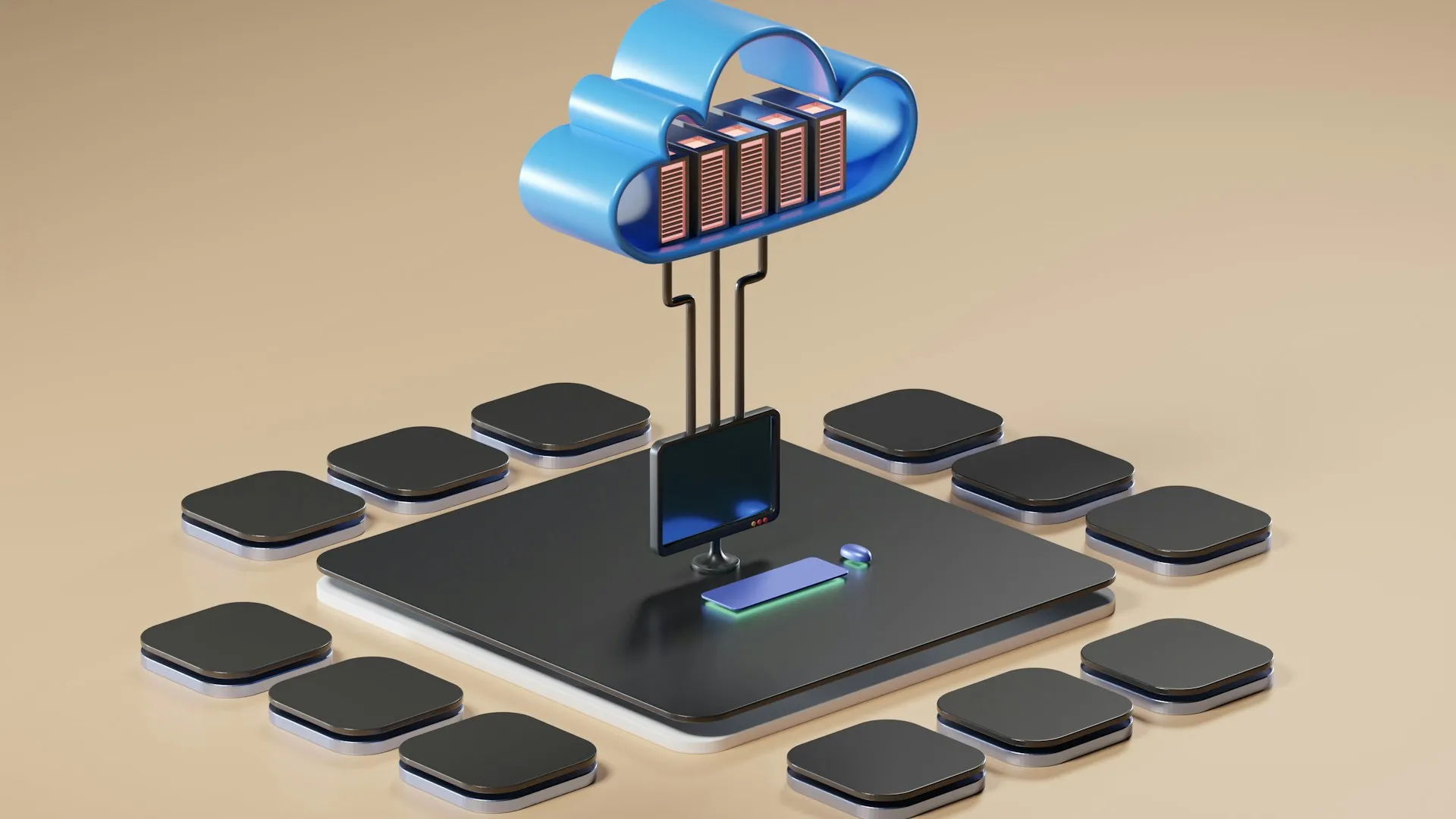
Cloud-based hotel property management systems run on the vendor's infrastructure. No servers. No server rooms. No backup generators. No IT staff to babysit hardware. You pay a monthly subscription that includes hosting, security, backups, and updates. Your total cost of ownership drops dramatically from day one.
For properties that were spending $25,000 per year maintaining on-premise infrastructure, the switch to a cloud PMS at $200 to $500 per month delivers immediate savings. Those savings flow straight to your bottom line.
Continuous updates at no extra cost
Cloud PMS vendors push updates continuously -- often weekly or bi-weekly. New features, security patches, regulatory compliance changes, and performance improvements arrive automatically. You're always running the latest version with zero downtime and zero upgrade fees.
This matters commercially. When a major OTA changes its connectivity requirements or a new payment regulation kicks in, cloud systems adapt immediately. Legacy systems leave you scrambling -- or worse, non-compliant.
Native integrations with the modern tech stack
The cloud PMS benefits that deliver the biggest revenue impact are integrations. Modern cloud systems connect natively with channel managers, revenue management tools, booking engines, guest communication platforms, payment processors, smart locks, and business intelligence tools.
This connectivity isn't a luxury. It's the foundation of a high-performing hotel operation. When your PMS, channel manager, and revenue management system share data in real time, you can push rate changes across 20 channels in seconds. You can sync availability instantly. You can automate guest messaging based on booking data. Each of these capabilities directly drives revenue or reduces cost.
Mobile access and remote management
A cloud PMS works from any device, anywhere. Check a guest in from a tablet in the lobby. Adjust rates from your phone during your commute. Review occupancy reports from home on a Sunday evening. For STR operators managing multiple properties, this flexibility is not optional -- it's essential.
Short term rental PMS platforms built on cloud architecture allow hosts to manage entire portfolios from a single mobile app. Rate adjustments, booking management, guest communication, and housekeeping coordination all happen in real time, from anywhere. That agility translates directly into faster response times, better guest satisfaction, and more bookable nights.
Data-driven decision making
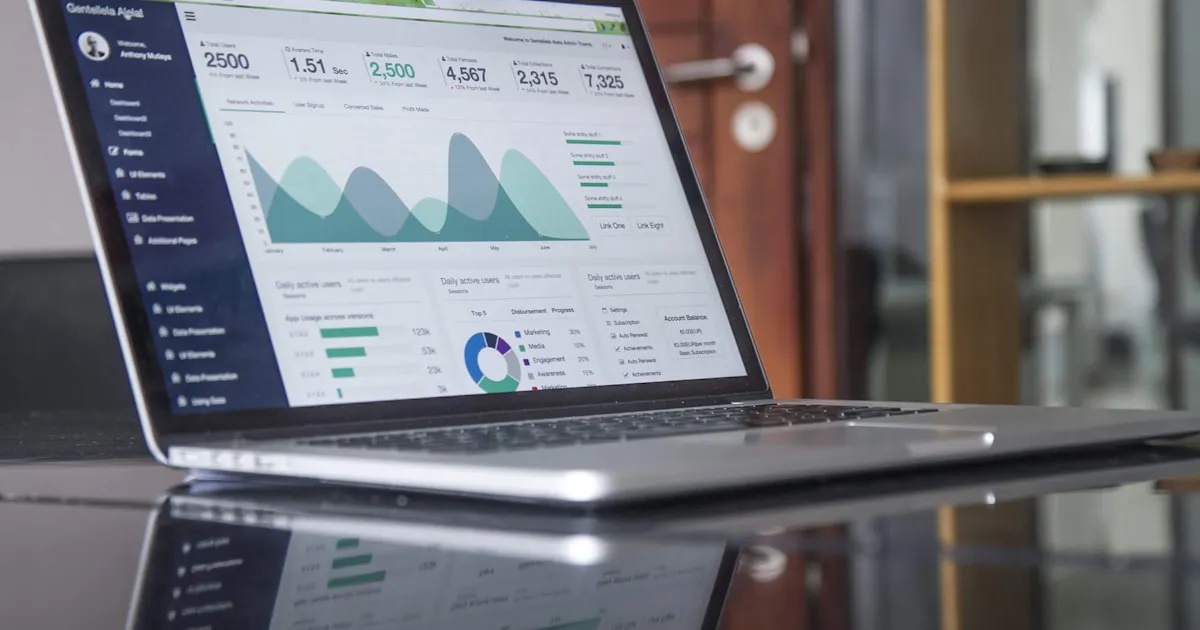
Legacy systems produce reports. Cloud systems produce insights. The difference matters. Modern hotel operations software includes built-in analytics dashboards that surface trends, highlight opportunities, and flag risks in real time.
Which room type is underperforming? Which channel delivers the highest net contribution? Where is your cancellation rate spiking? A cloud PMS answers these questions without waiting for month-end reports. Hoteliers who act on real-time data consistently outperform those who wait for yesterday's numbers.
The Revenue Impact: Real Numbers, Real Properties
Let's move beyond theory. The financial case for cloud vs legacy PMS is built on measurable outcomes.
Direct booking growth
Cloud PMS platforms integrate seamlessly with direct booking engines, allowing hotels to capture more reservations without OTA commissions. Properties that switch from legacy to cloud systems typically see direct booking share increase by 10 to 25 percent within the first year, driven by better booking engine performance, automated rate management, and integrated guest marketing tools.
At an average OTA commission of 18 percent, every booking shifted from OTA to direct drops an additional $30 to $50 per reservation straight to the bottom line. For a 100-room hotel doing 25,000 room nights per year, even a modest shift represents tens of thousands in recovered margin.
Upsell and ancillary revenue
Cloud systems with integrated upsell modules allow properties to offer room upgrades, early check-in, late check-out, and experience packages during the booking flow and pre-arrival. These automated upsell prompts consistently generate $3 to $8 per occupied room night in ancillary revenue.
Legacy systems, lacking these integrations, leave this money on the table entirely. Over a year, the gap compounds into a significant revenue difference.
Labour efficiency
Automation is the cloud PMS's sharpest financial tool. Automated night audits, self-service check-in, digital registration cards, automated guest messaging, and integrated housekeeping management all reduce the hours your staff spend on low-value tasks.
Hotels that migrate to cloud PMS platforms report labour savings of 10 to 20 percent in front-office operations. For a property with a $300,000 annual front-office payroll, that's $30,000 to $60,000 in recovered productivity -- staff time that can be redirected to revenue-generating activities or guest experience improvement.
Reduced distribution cost
Real-time connectivity between cloud PMS, channel manager, and revenue management systems eliminates the rate discrepancies and availability gaps that cause overbookings. Fewer overbookings mean fewer walk-outs, fewer compensation payouts, and fewer damaged guest relationships. The operational savings are modest individually but compound to meaningful figures annually.
Making the Switch: What the Migration Actually Looks Like
Fear of migration is the single biggest reason hotels stay on legacy systems longer than they should. The process is less dramatic than most operators expect.
Timeline
A typical cloud PMS migration for a 50 to 150 room hotel takes 4 to 8 weeks from contract signing to go-live. This includes data migration, system configuration, integration setup, staff training, and parallel running. Larger properties or complex multi-site operations may take 8 to 12 weeks.
Data migration
Your historical data -- guest profiles, reservation history, rate configurations, room setups -- transfers to the cloud platform. Reputable vendors handle this with dedicated migration teams and proven tooling. The risk of data loss is minimal when managed by experienced providers.
Staff training
Cloud PMS interfaces are designed for simplicity. Staff who struggled with legacy system complexity often become proficient on cloud platforms within days. Most vendors provide online training resources, on-site support during go-live, and ongoing help desk access.
Parallel running
Best practice is to run both systems simultaneously for one to two weeks before cutting over. This allows staff to verify accuracy, build confidence, and catch any configuration issues before the legacy system is retired.
The cost of waiting
Every month you delay the migration, you pay the legacy tax: infrastructure costs, manual labour, missed integrations, lost revenue from poor direct booking performance, and the opportunity cost of operating without real-time data. The question is not whether migration is disruptive. It's whether the disruption of staying on legacy is worse.
STR Operators: Why Cloud PMS Is Non-Negotiable
For short-term rental operators, the cloud vs legacy PMS debate isn't really a debate at all. The entire STR business model depends on speed, automation, and multi-platform connectivity -- capabilities that legacy systems fundamentally cannot deliver.
Multi-channel distribution
A vacation rental management system must sync availability and rates across Airbnb, Vrbo, Booking.com, and direct booking sites in real time. A single double-booking can result in a cancelled reservation, a displaced guest, and a platform penalty. Cloud PMS platforms handle this natively. Legacy systems require manual updates or fragile third-party connectors that break under volume.
Automated guest communication
STR guests expect instant booking confirmation, check-in instructions, local guides, and check-out reminders. Cloud-based short term rental PMS platforms automate this entire communication sequence, triggered by booking events. Legacy systems leave hosts sending manual messages -- a process that doesn't scale beyond a handful of properties.
Dynamic pricing integration
Revenue optimisation in STRs depends on dynamic pricing tools that adjust rates based on demand, competition, seasonality, and local events. These tools need real-time data from your PMS to function accurately. Cloud systems provide it. Legacy systems create data latency that undermines pricing precision.
Portfolio scalability
An STR operator growing from 5 to 50 properties needs a system that scales without requiring proportional increases in administrative effort. Cloud PMS platforms are designed for this. Add a property, configure it, and the automation handles the rest. Legacy systems demand manual setup, separate configurations, and often additional licence fees per property.
So What Box: The PMS Decision Framework
- Calculate your true legacy cost. Include infrastructure, IT support, upgrade fees, manual labour hours, integration workarounds, and lost revenue from poor connectivity. The real number will likely shock you.
- Evaluate cloud PMS on revenue impact, not just cost savings. Direct booking growth, upsell automation, and labour efficiency deliver returns that dwarf the subscription fee.
- Plan the migration in weeks, not months. Modern cloud PMS vendors have streamlined migration down to a proven process. Delay is the most expensive option.
- Prioritise integration depth. The PMS that connects seamlessly with your channel manager, revenue management tool, and guest communication platform will deliver far more value than the one with the flashiest dashboard.
- For STR operators: if you're still on spreadsheets or a legacy tool, you're losing money today. Cloud PMS is the foundation of a scalable, profitable rental business. Every week without one is a week of missed revenue.
Conclusion
The cloud vs legacy PMS divide is not a technology debate. It's a business performance divide. Hotels and STR operators running on legacy systems are paying more, working harder, and earning less than their cloud-equipped competitors. Every manual process, every missed integration, every delayed update is a small leak -- and those leaks compound into a torrent of lost revenue over time.
Cloud PMS platforms are not perfect. No technology is. But they deliver a fundamentally better architecture for the modern hospitality business: lower cost, higher flexibility, deeper integrations, and real-time data that drives smarter decisions. The properties that make the switch recover the investment quickly and build a platform for sustained growth.
The choice is simple. One system prints cash. The other bleeds you dry. Choose accordingly.
Kicker
Your PMS should be making you money while you sleep. If it's not, it's time to wake up.