Your Housekeepers Can't Get to Work Today. Most Dutch Hotels Didn't Plan for It.
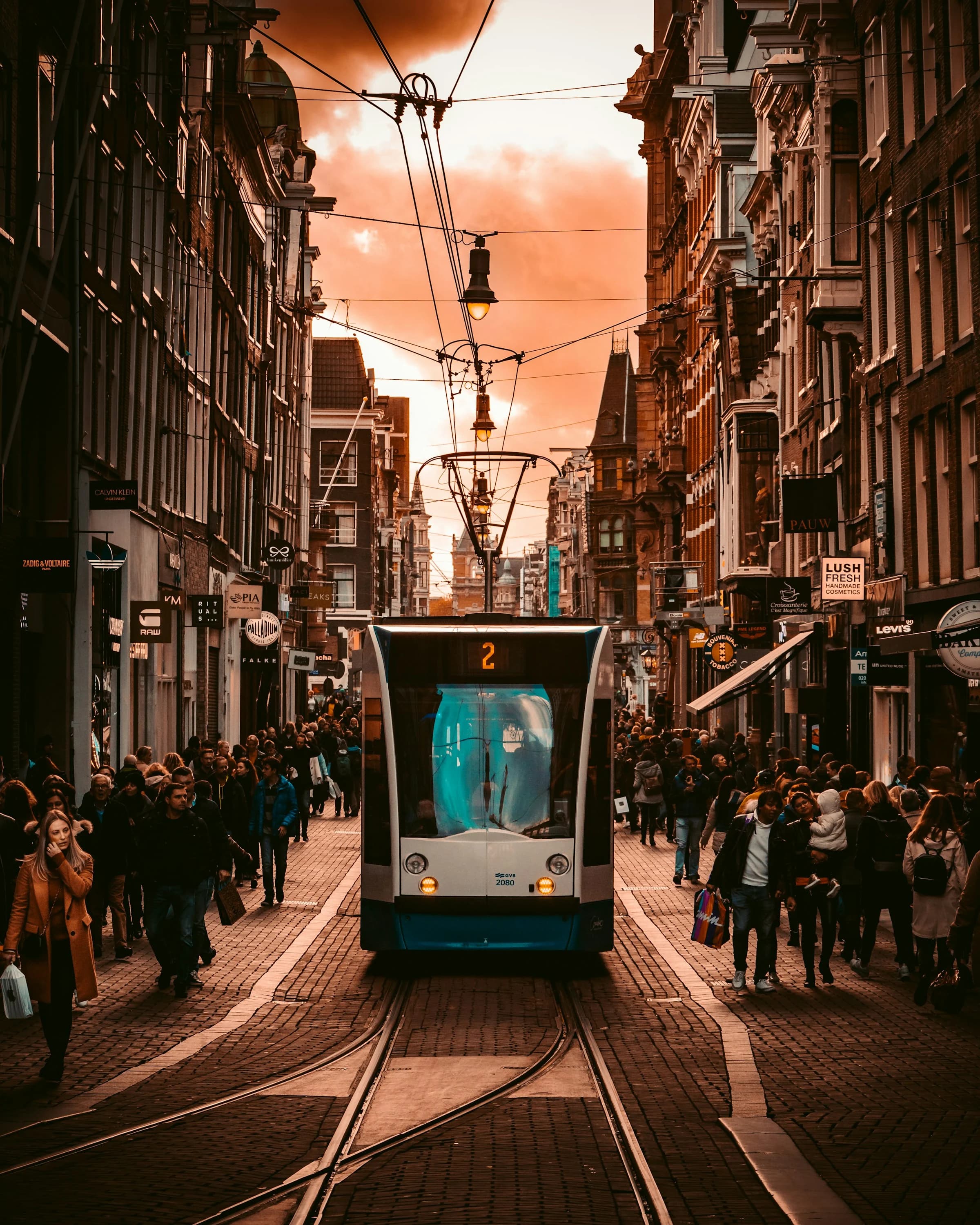
Across the Netherlands this morning, not a single train, tram, bus or metro moved before 8am. The FNV union shut the whole network down in a protest over pension and benefit cuts, and the recovery is slow. NS doesn't expect a normal timetable back until around 9:30. Amsterdam's GVB says the rest of the day will run late and "less predictable." Some operators won't be fully back to schedule until 11.
And most Dutch hotels spent the run-up worrying about the wrong thing.
The reflex when a transit strike lands is to think about guests. Will they make their flights? Can they get from Schiphol to the room? Fair questions. But here's the one that actually decides whether your morning falls apart: did your own people make it in?
The guest problem is the easy one
Let's deal with guests first, because it's the part everyone already handles.
Yes, departures are messy today. The good news is the Airport Sprinter between Amsterdam Centraal and Schiphol kept running, and Eurostar to London and Paris ran for anyone with a reservation. So the doomsday "nobody can reach the airport" scenario didn't happen. Guests with an early flight who left a buffer were mostly fine.
The hotels that looked competent this morning are the ones that told guests last night, not the ones scrambling at the front desk at 6am. A single message the evening before, "trains and trams are out until 8am tomorrow, here's how to still reach the airport, here's the taxi number, leave 45 minutes earlier than you planned," does more for your reviews than any amount of apology after the fact. Guests forgive disruption they were warned about. They torch you in writing for disruption that blindsided them.
That part is solved. It's checklist stuff. The reason your morning still went sideways is sitting in the back of house.
Your staff ride the same trams your guests do
Housekeepers, breakfast crew, dishwashers, night-shift front desk handing over to the day team. A huge share of hospitality workers in Dutch cities don't drive to work. They take the tram. They take the bus. They take the regional train in from Zaandam or Almere or Haarlem because they can't afford to live in the center of the city they clean rooms in.
So when the network freezes until 8am and limps until 11, your 7am breakfast shift is short. Your housekeeping team that should start stripping checkout rooms at 9 is trickling in at 10:30. The rooms don't get turned. Check-in backs up this afternoon. Guests who left this morning warned and happy come back tonight to a "your room isn't ready" because the people who clean it were standing on a dead platform in Diemen.
This is the failure that doesn't show up in any strike advisory, because the advisories are written for travelers, not employers. And it's the one that costs you money, because an unsold or late-turned room is revenue you never get back.
What the prepared hotels did differently
The operators who sailed through this morning didn't get lucky. They treated a known strike date like the operational event it was.
They moved shifts. If the network is dead until 8 and shaky until 11, you don't schedule your full breakfast brigade to clock in at 6:30 and pray. You stagger it, you ask the people who live within cycling distance to take the early slots, and you push the heavy housekeeping load later into the day when the trams are actually running.
They sorted transport for the people who couldn't get in on their own. A handful of shared taxis or a couple of carpools organized the day before is cheap. It is far cheaper than a tower of unturned rooms and a front desk apologizing all afternoon. In a city like Amsterdam, splitting three taxis across a morning shift costs less than one cancelled booking from a guest who walked because their room wasn't ready.
They knew who lives where. This is the part most hotels can't do on the spot, and it's the real lesson. If you don't already know which of your staff depend on public transport and which can get in regardless, you can't plan around a strike, a snowstorm, or a signal failure. You're improvising every single time.
Strikes are not a surprise anymore, so stop treating them like one
Here's the thing that should bother you. This was on the calendar for weeks. FNV announced it in May. Anyone running a Dutch hotel had a month to build a plan. The ones who got hammered this morning didn't fail to predict the weather. They failed to act on a forecast they were handed.
And it's not going to be the last one. Europe is deep into a summer of industrial action. Air traffic controllers, ground staff, transport unions, the lot. The Netherlands today, somewhere else next week. If your response to each one is a fresh panic, you're going to spend the whole season reacting.
So build the thing once. A simple staff transport map: who relies on public transit, who can cycle or drive, who lives close enough to walk. A shift-shuffle template you can pull off the shelf the moment a strike date drops. A guest-comms message you send the night before, every time, without writing it from scratch. A small budget line for emergency staff transport that you've already decided is worth it.
That's a half-day of work that pays off on every disruption from now until forever. Compare that to what today actually cost the hotels that winged it: late check-ins, unturned rooms, a stressed team, and guests who came back to a property that looked like it had no idea this was coming.
The strike wasn't the problem. Not planning for a strike you knew about three weeks ago was the problem.
If you run a property in Amsterdam, Rotterdam, Utrecht or anywhere on the Dutch network, take an hour this week while it's fresh. Map your staff. Write the template. Decide the taxi budget now, not at 6am during the next one. You'll be glad you did when the next date lands on the calendar, because it will.