Italy Just Closed Every Exit for Four Days Straight. Your May Strike Playbook Won't Save You
Italy has had five strikes hit hotels since May. This one is different, and if you run a property anywhere from Milan to Sicily, that difference is going to cost you money this week unless you move today.
Here's what's actually happening. A 24-hour strike started at midnight today, July 21, grounding ground-handling crews at Milan Malpensa (ALHA and MLE BCube walked out, along with FedEx staff), pulling easyJet's entire Italian cabin crew and pilot roster off the job nationwide, and taking DAT's regional crews off routes to Lampedusa, Pantelleria and Ancona. Only two windows are protected, 7 to 10am and 6 to 9pm, so anything outside those slots is exposed.
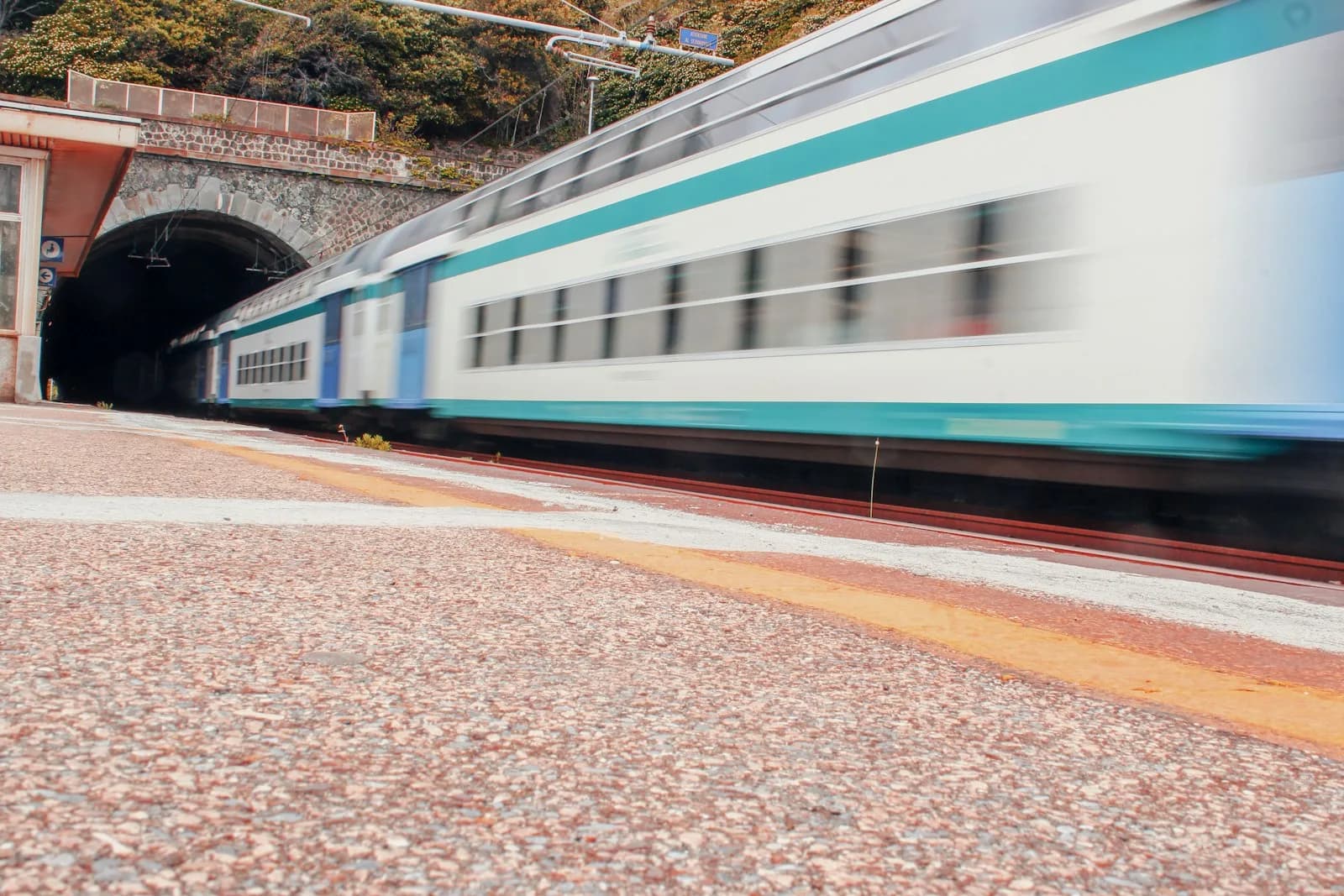
That alone would be a normal Tuesday for this site at this point. What makes this week different is what comes next. From midday tomorrow, July 22, until midday July 23, Grandi Navi Veloci's ferry crews strike for 24 hours, hitting the routes that move people and cars between the mainland, Sicily, Sardinia, and connections to Spain and Tunisia. Then from 9pm July 23 to 9pm July 24, the national rail strike takes out Trenitalia and Italo across the entire network. Cap it off with local walkouts on the 24th in Verona, the Marche region, Puglia and Salerno.
Read that sequence again. Air today. Sea tomorrow. Rail the day after. That's not one bad day, it's a four-day window where every major way out of the country is compromised on a rotating basis. And it lands in the middle of peak July, when Italian hotels are running their highest occupancy of the year and have the least slack to absorb it.
Why this breaks the old playbook
Every Italy strike article we've written this year has said some version of the same thing: call your arrivals, rebook the ones who can't get in, hold rooms for stranded guests, don't treat cancellations as no-shows. That advice still applies today. It just isn't enough this week.
The reason is simple. In every previous Italy strike this year, guests had an obvious workaround: wait 24 hours and travel the next day. May 18's general strike, May 29's flights-out disruption, June 13's air walkout, June 26's ground-handling shutdown, all single-mode, single-day events where "come tomorrow instead" was a real answer.
This week, tomorrow doesn't work. A guest who can't fly out today because of the Malpensa and easyJet strike can't just switch to the ferry, because the ferry workers walk out at midday tomorrow. A guest trying to dodge both by taking the train on the 23rd runs straight into the rail strike that starts that same evening and runs through the 24th. For a four-day stretch, there is no single day where all three modes are reliably working at once.
That means the group of guests affected isn't just today's arrivals and departures. It's anyone whose stay touches July 21 through 24 at all, which during peak summer in Rome, Venice, Florence, Milan, Sicily or Sardinia is a lot of your book.
What this actually costs you if you sit on it
Three things happen if you run this week like a normal week.
First, checkout day turns into an unplanned extra night, repeatedly. Guests scheduled to leave on the 21st by air, the 22nd by ferry, or the 23rd by train are going to find their exit blocked and need somewhere to sleep that isn't the airport floor. If you haven't got a same-day extension rate ready to quote, you'll either lose that revenue to a competitor down the street or spend the stay negotiating instead of hosting.
Second, arrivals scheduled across this window will no-show or arrive a day late, and if your system logs that as a standard no-show instead of a strike-related delay, you're charging cancellation fees to people who are going to leave you a one-star review about it, and you're doing it during your highest-visibility week of the summer.
Third, and this is the one operators consistently miss: guests who are stuck mid-trip need to extend, not just guests who were about to leave. If someone was staying in Palermo and planning to ferry to the mainland on the 22nd, they now need a room in Palermo through at least the 23rd. That's incremental revenue sitting in front of you if you're proactive about it, and it's a guest sleeping in a train station lobby complaining about your city if you're not.
What to actually do before end of day
Pull every reservation with a checkout or a connecting departure between July 21 and July 25. Not just today's list, all four days. Cross-reference against flight, ferry and rail dependency where you can tell from the booking notes or a quick guest message.
Set an extension rate now, today, before the first guest asks. A pre-agreed rate you offer proactively reads as hospitality. The same rate negotiated in a panicked lobby conversation reads as price gouging, even when it's identical.
Change your no-show policy for this window specifically. Anyone with documented travel through Malpensa, GNV ferry routes, or Trenitalia/Italo during these dates gets a grace period before cancellation fees apply. Write it down, tell your front desk team, don't leave it to individual judgment at 11pm.
Message guests with departures in this window before they message you. A one-line heads-up about the strike calendar and your flexible rebooking policy does more for your review score than a flawless breakfast service. Guests remember who told them first.
If you're in Sicily, Sardinia, or anywhere on a GNV route, this hits you twice, once through general disrupted travel and again directly through the ferry strike on your own doorstep. Treat July 22 and 23 as your highest-risk days specifically.
Italy's strike calendar isn't going to get calmer for the rest of the summer, and hotels that keep running the same reactive playbook are going to keep bleeding the same revenue. This week is just the first time the calendar stacked three modes back to back. It won't be the last, so build the extension-rate and no-show-grace-period process now and reuse it, instead of improvising it fresh every few weeks.