
Oil Just Topped $100: What the Iran Blockade Means for Every Hotel's Bottom Line
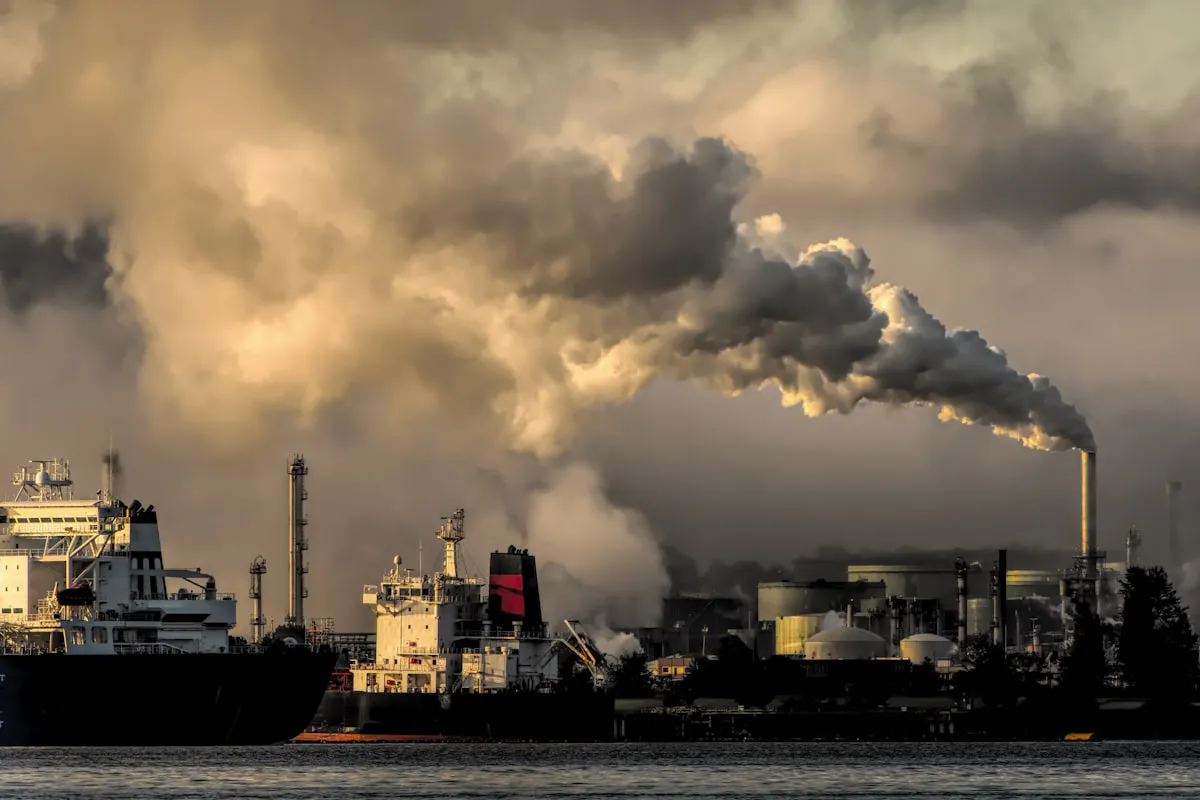
The US naval blockade of Iran ports went into full effect on April 13, sealing off the Strait of Hormuz and sending Brent crude past $103 a barrel — an 8% jump in a single week. Shipping traffic through the strait is now severely curtailed, and there's no clear timeline for when it reopens.
If you read our piece on the Islamabad talks collapse two days ago, you know what this means for hotels in the Gulf and Eastern Mediterranean. But this article isn't about those properties. It's about what $100-plus oil does to every hotel on the planet.
Your energy bill is about to matter more
Oil prices don't just affect petrol stations. They move through the entire energy grid — heating oil, natural gas, electricity — with a lag of anywhere from a few weeks to a couple of months depending on your contracts and your local utility.
Hotels are among the most energy-intensive businesses in the service sector. A 200-room property typically spends between 4% and 6% of revenue on energy. When energy input costs jump 8% to 15% in a quarter, that goes straight to your P&L if you're not locked into fixed contracts.
Right now, the move you want to make is simple: call your energy broker or facilities manager today and find out exactly what your current contract terms look like. When do your rates reset? Are you on fixed or variable pricing? If you're on variable and your contracts reset in the next 90 days, you have a closing window to lock in before prices climb further.
Airfares are already pricing in the shock
Here's the part that affects you whether you're in Dubai or Dublin. Jet fuel has roughly doubled since February, jumping from around $2.50 per gallon to $4.88 per gallon due to the Hormuz closure forcing airlines to reroute or reduce services. That cost doesn't stay with the airlines. It gets passed on through higher base fares and reduced seat capacity.
Higher airfares mean fewer price-sensitive leisure travelers. And right now, we're heading into the summer booking peak — the exact moment when leisure travelers make their final decisions.
If your property depends on transatlantic arrivals, intra-European leisure traffic, or long-haul guests connecting through Gulf hubs (Emirates, Qatar Airways, Etihad — all of which have cut routes or added fuel stops), you're already feeling this in your forward pickup. Check your pace against last year this week, not next month.
Revenue managers: your comp set pricing may not have adjusted yet. If you're tracking rates against a set of hotels with similar demand profiles, understand that a 10% drop in forward bookings across your comp set might simply be the market pricing in reduced airlift — not a reason to drop your rate to chase occupancy.
Supply chains: the quieter pressure point
Hotels buy a lot of stuff. Food and beverage alone accounts for 30% to 40% of revenue at full-service properties, and almost everything in your kitchen traveled on a truck or ship at some point. When oil is over $100, freight costs rise. And when freight costs rise on essentials like proteins, dairy, and dry goods, your F&B margins get squeezed.
This won't hit your next invoice. Supply chain cost increases typically show up with a 6-to-8-week lag, meaning what you're ordering today will start arriving at higher costs in June. If you have quarterly supplier reviews scheduled, move them up. Call your primary food distributor this week and ask if they're passing through fuel surcharges. Get ahead of the conversation before it hits your P&L and surprises you mid-summer.
Hotels sourcing linens, amenities, or FF&E from Asia should also check in with their suppliers. The Middle East airspace closures are forcing eastbound cargo to reroute, adding transit time and cost to shipments that normally pass over Iran or through Gulf ports.
Cruise passengers and the spillover effect
Celestyal Cruises has cancelled all April sailings. MSC Euribia is stranded in Dubai with no timeline to reposition to Europe. Several other cruise lines have ships stuck in Gulf ports with no way out through the Strait of Hormuz.
That matters to land-based hotels too. Cruise line cancellations push thousands of passengers back into the hotel market — but not always where you'd expect. Passengers who booked Eastern Mediterranean cruises out of Dubai or Doha are now rebooking flights home and potentially adding hotel nights in hub cities like Athens, Istanbul, or London. If you're in any of those markets, check your short-term demand and make sure your rates reflect the current supply-demand picture.
What should you actually do today?
A few concrete things:
Review your energy contracts this week. Find out when your rates reset and whether you have options to lock in. Don't assume your facilities team is already on this — check.
Model a 10% operating cost increase across Q2 and Q3. This isn't a worst-case scenario anymore. Build a version of your budget that accounts for higher energy, higher food costs, and potentially higher staffing costs as labor markets tighten in an inflationary environment.
Check your airline connectivity. If you rely on Gulf hub carriers for long-haul arrivals, look at what routes have been suspended or reduced. You may need to shift your source market strategy toward travelers who can reach you on European or North American carriers.
Pull your 60-day forward pickup report. If you're running behind last year by more than 5%, understand whether that's a pricing issue, a demand issue, or an airlift issue. The action you take is very different depending on the answer.
Talk to your primary suppliers now. Ask them directly whether they're planning fuel surcharges. This takes 20 minutes and could save you a surprise conversation in June.
What to watch next
On April 14, Trump suggested that US-Iran talks could resume within the next two days. If that happens — even a preliminary ceasefire framework — oil would likely pull back from $100 and airspace could begin normalizing within weeks. That would change the math entirely.
So watch the diplomatic track carefully. The blockade is in full effect now, but this situation is moving fast. Set a news alert for "Strait of Hormuz" and check it every morning until there's a clear answer one way or the other. Your Q3 revenue planning depends on which direction this breaks.
The Middle East crisis stopped being a regional story a while ago. Right now, with oil over $100 and shipping curtailed, it's sitting directly on your hotel's cost structure — wherever you are.