
Stop Wasting Time: Automate These 5 Things (But Never Touch These 3)
Hotels and short-term rentals are drowning in admin. Guest messages ping at all hours, check-ins clog the lobby, and staff waste hours on spreadsheets that should have been retired with the fax machine. At the same time, competitors are scaling faster, delivering smoother service, and pocketing more profit simply because they have embraced hotel automation.
The catch is that not every task should be handed over to software or smart gadgets. Automate the wrong things and you strip away the very experiences that make guests want to return. Automate the right ones and you free up staff time, cut costs, and deliver consistency at scale.
This article separates the useful from the dangerous. It shows the five automations every hotelier and STR operator should implement in 2025, and the three that will quietly sabotage your brand if you hand them to machines. By the end, you will know exactly where to let technology take control and where the human touch is still irreplaceable.
The Case for Hotel Automation in 2025
The hospitality industry has always been a balancing act: delighting guests while keeping costs lean. In 2025, that balancing act has turned into a tightrope walk. Labour shortages are still biting, wages are climbing, and guest expectations have never been higher. According to Statista, global spending on hotel technology is expected to surpass 60 billion US dollars in 2025, up nearly 40% from just five years ago. Hoteliers are not throwing money at gadgets for fun - they are scrambling to stay competitive.
Hotel automation is no longer an experiment. It is the backbone of operations for properties that want to run leaner, respond faster, and scale without adding headcount. The right systems do more than cut payroll hours. They remove the friction that irritates guests and eats into margins: forgotten wake-up calls, missed housekeeping requests, or double-booked rooms.
The rise of hotel automation tools is not about replacing people. It is about reallocating them to tasks that actually drive value. A receptionist freed from paperwork can focus on greeting guests warmly. A cleaner released from manual scheduling can focus on spotless standards instead of chasing their rota. In short, automation buys back time and consistency, two currencies every hotelier needs in order to compete in 2025.
The question is not whether you should automate. The question is which parts of your operation deserve it - and which must remain firmly human. That distinction makes the difference between a hotel that thrives and one that quietly slips into mediocrity.
The 5 Hotel Automations That Pay for Themselves
Guest Communications on Autopilot
Guests expect instant answers. In fact, Booking.com reports that 75% of travellers are more likely to book with properties that reply within an hour. That level of responsiveness is impossible for most hotels running on skeleton staff, but perfectly achievable with hotel automation software.
Pre-arrival emails, late check-in instructions, and answers to common questions such as “Is breakfast included?” or “Do you have parking?” can all be automated without losing warmth. Templates can be personalised with guest names, booking details, and even upsell prompts. For short term rentals, STR automation tools like Hostaway and Guesty already pull this off at scale. The result is fewer frantic calls to reception, higher guest satisfaction, and fewer staff tied to their inbox at midnight.
The point here is not to sound robotic. Done properly, automated messaging feels faster and more attentive, not colder. It sets the tone for a stay that feels seamless rather than stressful.
Smart Check-in and Access Control
Nobody enjoys queuing at reception after a long journey. A 2025 survey by Skift found that 68% of travellers prefer a self-service or mobile check-in option if available. This makes hotel operations automation in the form of digital check-in and smart locks a must-have rather than a luxury.
Modern hotel automation tools can integrate mobile apps, kiosks, and digital key systems with your property management software. This not only speeds up arrivals but also reduces fraud and lost key costs. For STR owners, smart access systems mean fewer late-night handovers and no more panicked phone calls when guests misplace keys.
The bigger win is the first impression. Guests start their stay smoothly, and your staff can focus on welcoming them personally rather than printing out registration forms. This is where hotel technology trends are heading: frictionless processes backed by automation, with humans adding value at the moments that matter.
Revenue Management and Dynamic Pricing
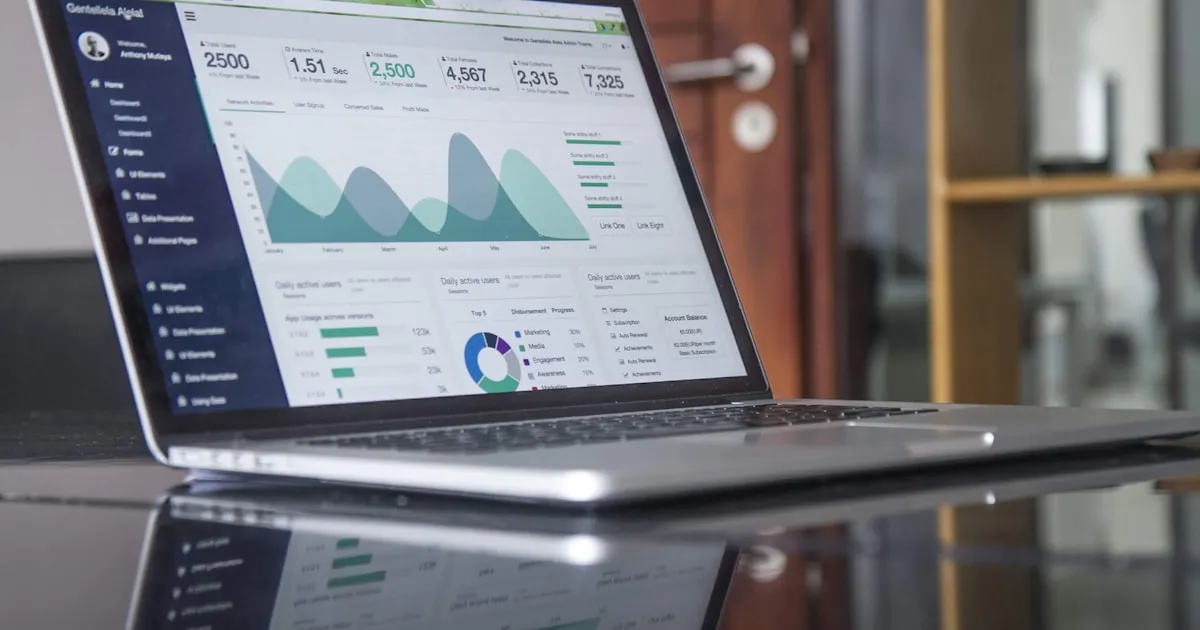
Manually adjusting rates based on demand is a relic of the past. In 2025, revenue managers are competing with AI-driven systems that monitor market conditions, competitor pricing, booking pace, and even flight data in real time. According to STR Global, hotels using automated revenue management tools see up to a 20% uplift in RevPAR compared to those relying on manual updates.
Modern hotel automation software can analyse thousands of data points and adjust room rates automatically, often multiple times a day. For smaller properties and STR owners, affordable tools like Beyond or Wheelhouse plug into booking platforms to handle the heavy lifting. The value is not just in maximising yield; it is in avoiding human error and ensuring you never underprice a peak weekend again.
This is property management automation at its most financially impactful. It takes one of the most complex, high-stakes areas of hotel operations and ensures it works for you around the clock.
Housekeeping and Task Scheduling
Few things frustrate a guest more than arriving at a dirty or unprepared room. Yet housekeeping is notoriously difficult to coordinate. Bookings change, staff schedules shift, and communication breaks down. Automating this process through hotel workflow automation ensures that as soon as a guest checks out, a cleaning task is generated and assigned.
Cloud-based apps now sync directly with PMS and STR calendars, sending live updates to housekeeping teams. That means cleaners can see which rooms are ready, supervisors can track progress, and reception staff no longer need to phone around. This is especially valuable for short term rental automation, where properties are scattered across different locations and rapid turnover is the norm.
The result is not just improved efficiency. It is a measurable boost in guest satisfaction scores. Cleanliness remains the top factor in online reviews, and automation reduces the risk of missed turns that damage reputation.
Reputation and Review Management
In 2025, reputation is currency. A TripAdvisor survey found that 81% of travellers always read reviews before booking, and Google’s algorithm now factors review quality into local search rankings. Yet many hoteliers still chase reviews manually, sending emails sporadically or forgetting to follow up altogether.
Automating the process changes the game. Post-stay surveys can be triggered automatically, nudging guests to leave feedback while the experience is fresh. Review responses can be templated and partially automated, with managers stepping in only for detailed replies. The best systems integrate with hotel automation tools to track sentiment over time, flag recurring complaints, and highlight positive trends.
This kind of hotel operations automation protects brand reputation and helps properties climb OTA rankings. The beauty is consistency: every guest gets the same prompt, every time, without staff having to remember.
The 3 Automations You Should Never Touch
Guest Complaints Need Human Ears
There is no shortcut to empathy. A chatbot may apologise instantly, but it cannot read the tone of a guest’s frustration or adapt its response with genuine care. Research published in the Cornell Hospitality Quarterly (2025) shows that 78% of guests are more likely to return after a complaint is resolved by a person rather than a digital system, even when compensation is identical.
Automating complaint handling risks making guests feel brushed off. A scripted “Sorry for the inconvenience” message might save thirty seconds, but it will cost you loyalty. When something goes wrong, it is the human ability to listen, apologise, and take ownership that turns an angry guest into a lifelong advocate. Keep this firmly off the automation list.
Upselling Works Best in Person
Upselling is about timing, trust, and nuance. A front desk agent who notices a couple arriving early might suggest a room upgrade with late checkout. A waiter who observes guests celebrating can propose a bottle of champagne. These are contextual cues that algorithms cannot capture with the same finesse.
Yes, technology can prompt upsell options on booking engines or pre-arrival emails, and those are effective. But relying solely on automated upselling is a mistake. The biggest wins - from suite upgrades to private dining experiences - often come from staff who know how to read the moment. Automating this removes the human touch that drives high-ticket conversions.
Concierge and Curated Experiences
Your guests are not looking for Google search results repackaged in a chatbot. They want insider knowledge, local flavour, and curated recommendations that match their preferences. This is the realm of a skilled concierge or attentive host, not software.
While hotel automation tools can suggest generic tours or restaurants, they cannot gauge whether a honeymoon couple would enjoy a quiet wine tasting over a crowded bus trip. Guests are increasingly willing to pay for authentic, personalised experiences and those cannot be automated without cheapening the product.
If you want to differentiate in 2025, keep your concierge human. The more AI dominates generic advice, the more valuable real, thoughtful recommendations become.
The Big Mistake: Automating for Tech’s Sake
Every year the hospitality trade shows are flooded with shiny new gadgets and apps promising to “revolutionise guest experience.” In 2025, AI-driven everything is the latest buzz. Facial recognition check-in? Robot concierges? Automated cocktail makers? They all sound futuristic, but the danger is obvious: hoteliers start buying technology for its novelty, not its necessity.
This is the trap of automating for technology’s sake. A property can spend thousands on systems that look impressive in a demo but add little to daily operations. Worse still, poorly integrated tools create more work. A hotel automation tool that does not connect with your PMS will leave staff juggling multiple logins and manual data transfers - the opposite of efficiency.
McKinsey’s 2025 Hospitality Outlook warns that nearly 30% of technology investments in hotels fail to deliver positive ROI, primarily because operators did not link purchases to a clear operational need. The lesson is simple: automation must solve a real bottleneck, not just tick the “innovation” box.
The smartest hoteliers are asking one question before signing contracts: will this hotel automation software reduce friction for guests or staff? If the answer is no, it belongs in the bin. Automation is not about showing off. It is about streamlining the mundane so that humans can excel at the meaningful.
So What? (Practical Takeaways)
Let’s cut to the chase. If you are a hotelier or STR operator, here’s what you should walk away with:
Automate the repetitive and predictable. Messaging, scheduling, billing, and reputation management are perfect candidates for hotel automation.
Protect the human moments. Complaints, concierge advice, and high-value upsells belong to your staff, not your software.
Choose tools that integrate. A flashy app that does not connect to your PMS or channel manager is not automation, it is admin. Prioritise hotel automation tools that actually reduce friction.
Lean into STR advantages. For short term rentals, STR automation tools work wonders for cleaning schedules and guest communications, especially across multiple properties.
Measure ROI with both numbers and reviews. The goal is not just lower payroll costs. True success in hotel operations automation is improved guest satisfaction, higher RevPAR, and fewer negative reviews.
Conclusion: Smart Hotel Automation is a Growth Engine, Not a Gimmick
In 2025, hotel automation is no longer an optional experiment. It is the lever that allows hoteliers and STR operators to run leaner operations, deliver faster service, and scale without drowning in admin. The trick is balance. Automate the routine, low-skill work that eats up time and consistency. Protect the high-empathy, high-value moments that define your brand.
The hotels that thrive this year will not be the ones with the most gadgets. They will be the ones that use automation to sharpen efficiency while doubling down on humanity. Get that mix right and you will save time, boost profits, and give guests a reason to come back again and again.
Kicker
A robot can check the guest in. Only you can make them feel at home.