Texas Flooded the Same Ground That Killed 119 People Last Year. Most Hotels Still Have No Flood Plan.
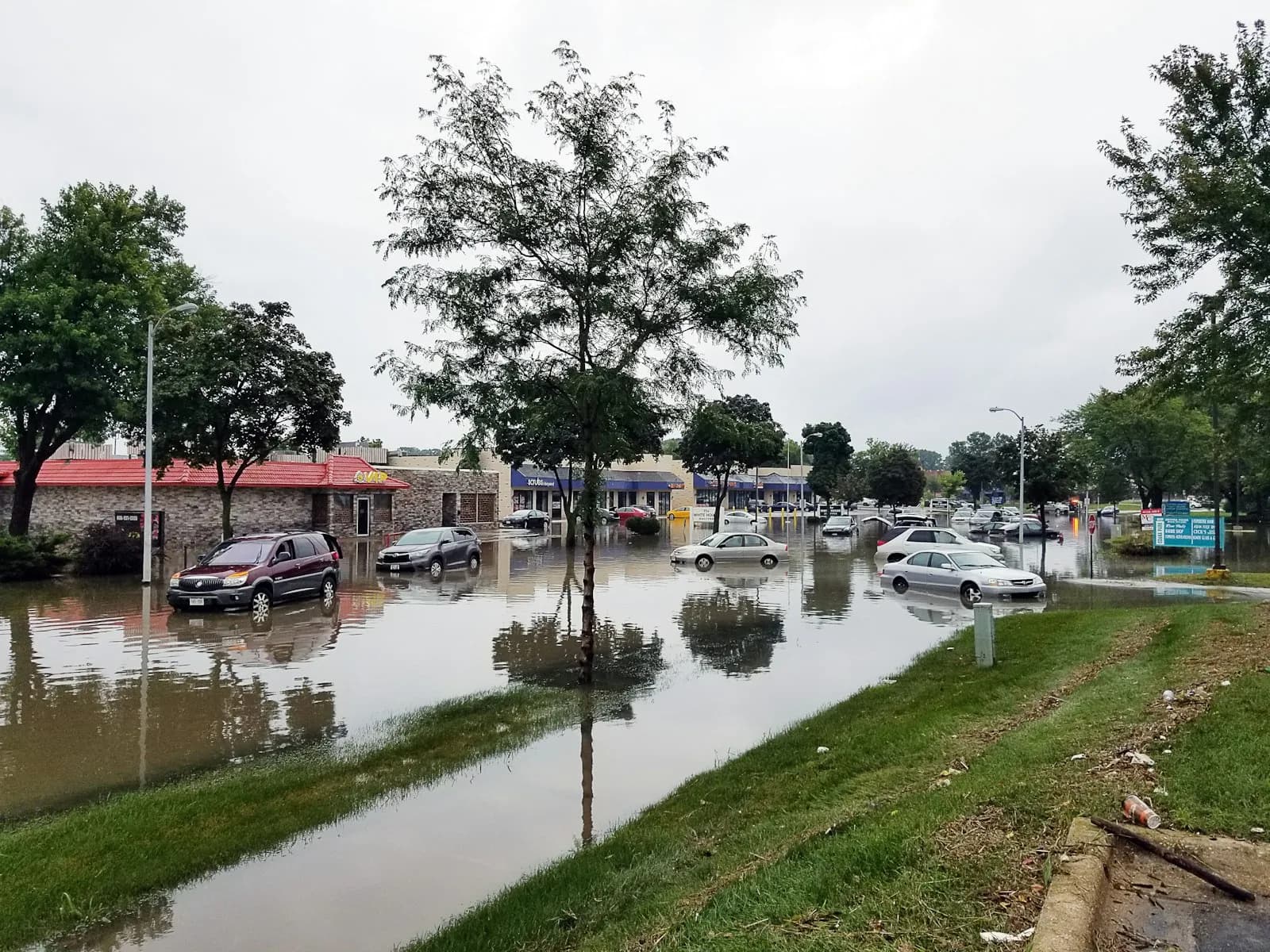
More than a foot of rain fell on Uvalde County in 24 hours this week. A flash flood emergency, the highest warning level the National Weather Service has, went out for over 25,000 people in Boerne. A tornado touched down in San Antonio and tore through a shopping mall during the morning rush. Gov. Greg Abbott declared a disaster across 59 counties.
Here's the part that should stop every hotelier in that corridor cold: this is almost the exact same ground, and almost the exact same week of the calendar, where flash flooding killed 119 people last July. Kerr County. Camp Mystic. RV parks full of families. That flood is barely a year old, and the region is under water again.
If your property sits anywhere along U.S. 90, the Hill Country, the Rio Grande Valley, or the rivers feeding San Antonio, this isn't a weather story you wait out. It's an operations story, and most hotels in Texas are handling it like it's the first one.
Why "we'll just monitor it" isn't a plan
Talk to hoteliers in flood-prone corridors and you'll hear a version of the same line: we watch the weather app, and if it looks bad we tell the front desk to keep an eye on things. That's not a flood plan. That's hoping.
The National Weather Service has been blunt about why this keeps happening. Forecasters flagged this week's storm system as a particular risk for "people vacationing there and who might not be familiar with the flash flood threat." That's your guests. Not locals who know which low-water crossings turn into death traps in twenty minutes. Tourists. Families in a rental car with a GPS that will happily route them straight through a flooded farm road because it doesn't know the road is underwater.
Your front desk is often the last conversation a guest has before they get in a car. If that conversation is "checkout's at eleven, drive safe," you are the gap between a bad forecast and a body count. That's not dramatic, it's exactly what happened twelve months ago to families in RVs who had no idea the creek behind their site could rise eight feet before sunrise.
What actually changed since last year, and what didn't
Texas did respond to the Camp Mystic tragedy. The legislature mandated warning sirens in flood-prone areas, though installation is still rolling out county by county. It required new safety standards at youth camps specifically. Both moves target the sites that made headlines.
What the state didn't do is standardize training for local emergency coordinators, and it did nothing to require hotels, short-term rentals, or RV parks near flood corridors to have a guest-facing evacuation protocol. That gap is still wide open, and this week is proof it matters just as much for hospitality properties as it did for camps.
If you're operating a hotel, inn, or rental in Medina, Uvalde, Kerr, Bandera, Real, Kinney, Val Verde, Edwards, Frio, Maverick, or Zavala County right now, or anywhere near the San Antonio, Guadalupe, Nueces, Frio, Medina, or Pecos rivers, you are not a bystander to this story. You're inside it.
What to do today, not after the next storm
Pull up every reservation and walk-in currently on your property and check it against the current flood warnings for your county, not last night's forecast. Warnings are moving fast this week, and a property that was clear at breakfast can be inside an evacuation zone by dinner.
Post the nearest high-ground evacuation route at the front desk and in every room, not buried in a guest services binder nobody opens. If your property backs onto a creek, river, or low-water crossing, say so explicitly. Guests from outside Texas do not intuitively understand that six inches of moving water can sweep a car away, and that a dry road at 6pm can be a river by 9.
Train your night staff specifically. Flash flooding in this region tends to hit overnight, which is exactly when front desks are thinnest and guests are least likely to check their phones. Whoever is on the overnight shift needs to know how to read a flash flood emergency alert and needs the authority to wake guests up and tell them to move, without waiting for a manager to sign off at 3am.
Stop routing guests toward low-water crossings in your directions, maps, or recommended day trips. If your welcome packet sends people toward a scenic river drive that's currently a flood risk, pull it now and replace it with something that doesn't put a family in a car on a road the county sheriff is actively barricading.
And if you're taking last-minute cancellations from guests trying to avoid driving into this, waive the fee. A family that cancels because the NWS just issued a flash flood emergency for their route is not gaming your cancellation policy, they're doing exactly what officials are asking Texans to do this week. Punishing that decision with a no-show charge is the kind of thing that ends up in a viral review, and honestly, it should.
The uncomfortable truth
Nobody wants to hear that their hotel sits in a flood corridor that already killed 119 people once. But pretending the risk is seasonal, rare, or somebody else's problem is exactly the mindset that let last July happen. This week is the region's second warning inside thirteen months. A third one is not a matter of if, it's a matter of when, and "we'll monitor it" will not be a good enough answer the next time a reporter asks what your property did to keep guests safe.
Build the protocol this week, while the disaster declaration is still active and the lesson is fresh. Waiting until the next storm is already on the radar means writing it during the worst possible moment to write anything at all.