Typhoon Dolphin Just Cancelled 1,400 Shanghai Flights. Trip.com Already Refunded Your Guests Without Asking.
Typhoon Dolphin came ashore in Zhejiang on Sunday evening at 151 km/h, the strongest storm to hit China this year, and by the time it was done Shanghai had cancelled roughly 1,400 flights, Shanghai Disney Resort had shut its gates, and more than a million people across Zhejiang and Shanghai were out of their homes. If you run a hotel anywhere near that coastline, the storm wasn't the part that should worry you. The refund policy your OTA quietly activated on your behalf is.
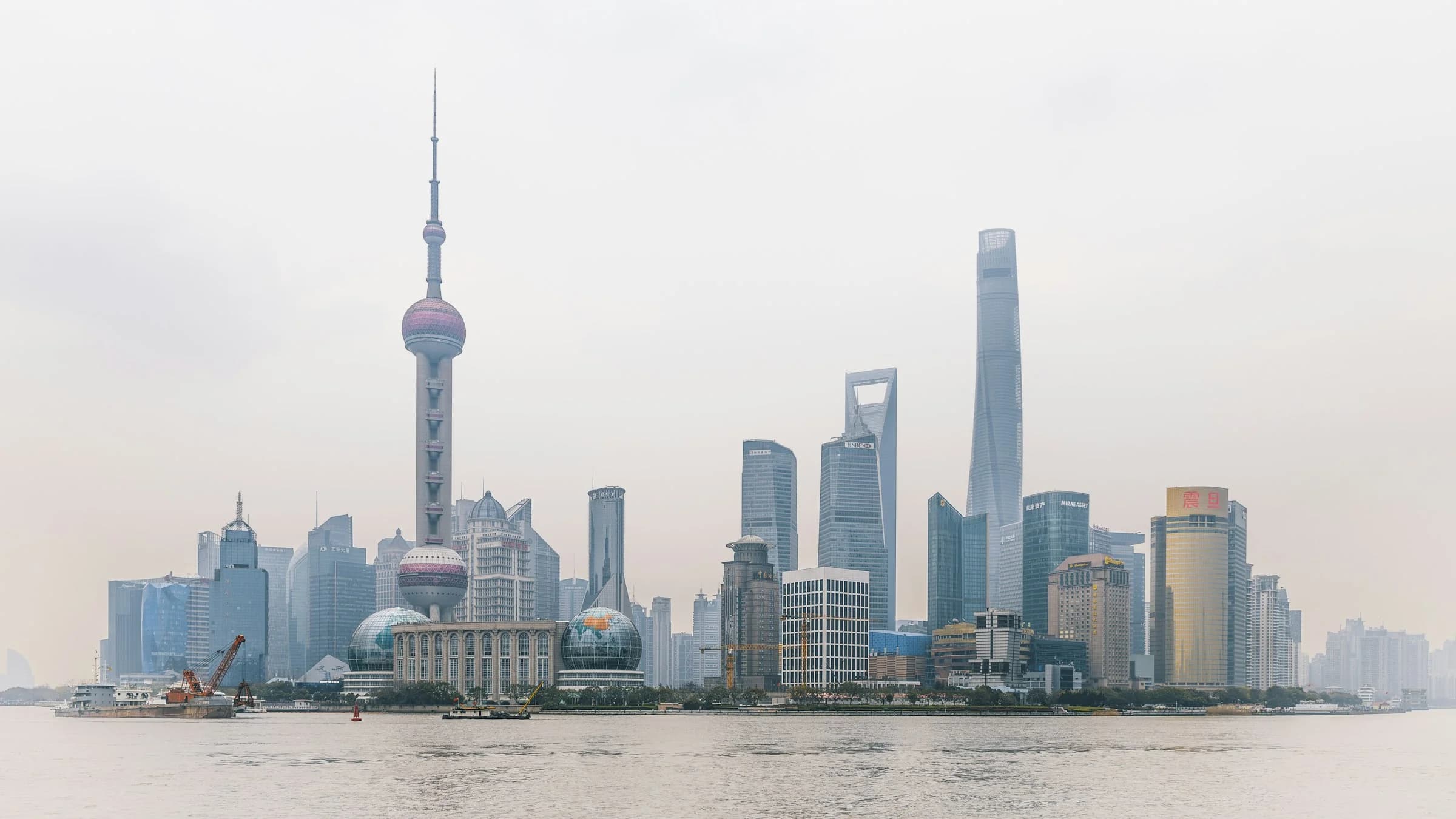
Dolphin made two landfalls within an hour of each other, first at Taizhou then at Wenzhou, both in Zhejiang province, right as the region hit the peak of its August holiday season. China's national weather center put out a red alert, the highest tier it issues. Wenzhou alone moved more than 900,000 residents into over a thousand emergency shelters. Shanghai relocated more than 100,000 people and opened 378 shelters of its own. Ningbo's airport suspended all flights outright. Ferries, cruises and every water-based tourist activity along the Zhejiang coast got shut down through the weekend. By Monday morning the storm had been downgraded to a tropical storm, but the rain isn't done, forecasters are still calling for up to 500mm in parts of Zhejiang through this afternoon.
That's the disaster. Here's the part nobody in a Shanghai or Hangzhou hotel is talking about yet.
Your OTA moved faster than you did
China's biggest booking platform, Trip.com, runs a standing weather guarantee that kicks in automatically the moment a red alert is issued for a city on its map. No hotel sign-off required. No call to your reservations desk. The app tells the guest they're covered, the guest cancels, and the refund comes out of your night's revenue before your GM has finished reading the news alert. Fliggy and the other major domestic platforms run near-identical policies. This isn't new, and it isn't a bug. It's been standard practice through every major typhoon since Doksuri. What's new is that most hotels still treat it like an occasional inconvenience instead of a structural fact about doing business with Chinese OTAs.
If a red alert touched your city this weekend and you haven't already pulled your OTA extranet to see what got auto-cancelled, you're finding out your Monday occupancy secondhand. That's backwards. The platform made a business decision that cost you room revenue, on your behalf, without your input, and the first time most GMs learn about it is when the daily pickup report looks wrong.
The fix isn't fighting Trip.com's weather policy. You won't win that argument and honestly you shouldn't try, guests stranded by a red alert deserve flexibility. The fix is building your own rate and inventory response around the assumption that this will happen, instead of discovering it after the fact. That means checking your OTA-side cancellation dashboard the moment a red alert drops for your city, not the next morning. It means having a same-day rate strategy already decided for the demand that's about to show up at your front desk from people who can't get out, not just modeling the guests who are cancelling to get in.
The demand didn't disappear. It moved sideways.
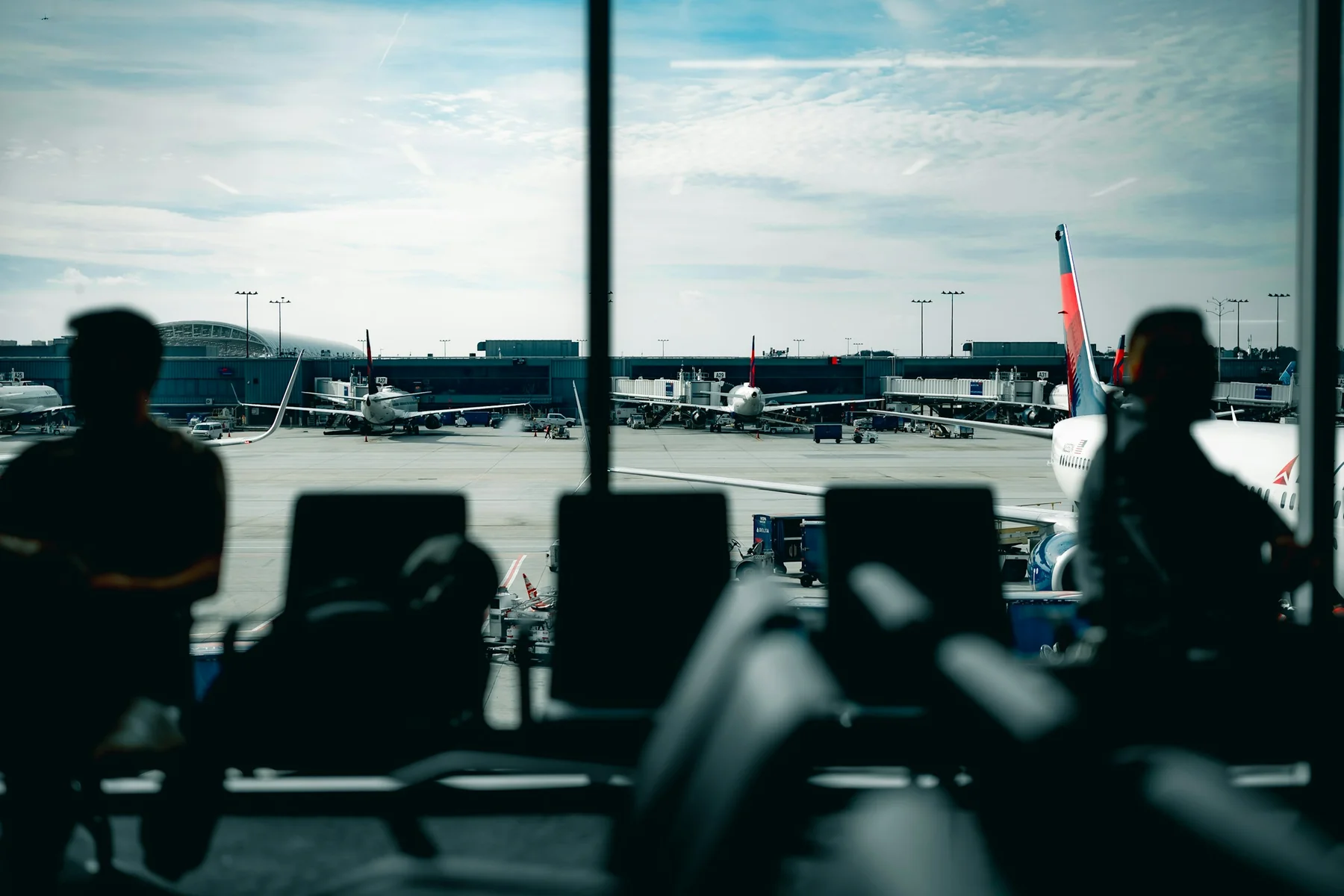
Here's what a lot of revenue managers miss during a storm like this: a red alert doesn't destroy demand, it redistributes it inland and delays it. Every one of those 1,400 cancelled Shanghai flights represents a traveler who still needs a bed somewhere, whether that's a stranded business traveler booking an extra night near the airport, a family who can't get back to Hangzhou and needs to sit tight in the city, or displaced coastal-resort guests looking for anything dry and inland. If your property sits anywhere between the storm zone and a functioning transit hub, you're sitting on real demand right now, priced like it's a slow Monday because your OTA dashboard shows a wave of cancellations and nothing else.
Don't read the cancellation report as the whole story. Cross-check it against what's actually happening at your airport and train station. Shanghai's Hongqiao and Pudong airports will be catching up on a huge backlog for days, and every delayed departure is another night somewhere for someone. Properties that hold their rate and actively market same-day and next-day availability toward that stranded pool will out-earn the properties quietly discounting into what looks, on paper, like a demand collapse.
Build the checklist before the next one, because there will be a next one
This is the third major typhoon to hit a significant tourism market in China's peak season this year, and Dolphin was the strongest of the three. Typhoon season in the western Pacific runs through October. If your response this weekend involved someone manually refreshing the OTA extranet and hoping for the best, you got a preview of exactly how this goes wrong at scale.
Write down, now, while the memory is fresh: who on your team has authority to check and act on OTA-side weather cancellations the moment a red alert posts, what your same-day rate floor is during a regional red alert, which nearby transit disruptions should trigger a manual demand review instead of waiting for the booking curve to catch up, and how you're going to message displaced domestic guests who are extending or rebooking through WeChat and the Trip.com app rather than calling your front desk directly, because that's where the conversation with Chinese travelers actually happens.
Dolphin is clearing the coast today. The properties that treat this as a one-off already lost the lesson. The ones writing the playbook this week will be the ones who don't get caught flat-footed refreshing an extranet dashboard when the next red alert hits, and in a season that's already produced three of these, that next one isn't hypothetical.